FREE delivery on your first order, no minimum spend

Subscribe to Save 20% off every order

Barking Rewards earn points & unlock rewards

Rated Excellent on TrustPilot

Next day delivery (order by 7PM Mon-Fri, 2PM Sat-Sun) Order within for estimated delivery

Refer a friend: they get 40% off, you get £15

Build your own dog food bunde to unlock extra savings

How to Prevent Jealousy in Current Pets when Getting a New Dog

How to Prevent Jealousy in Current Pets when Getting a New Dog - Barking Heads & Meowing Heads

How to Prevent Jealousy in Current Pets when Getting a New Dog


Bringing a new puppy or dog into the family can be incredibly exciting but also quite worrying if there are concerns of jealousy or problems between your established pets and the new dog. You may worry that your current pets won’t accept the new dog.


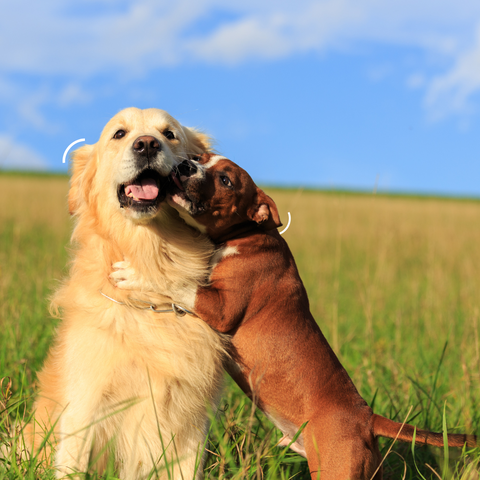
Two dogs hugging


Why do dogs get jealous of a new dog?

When you bring a new puppy or dog into the family, its natural for them to ultimately become the centre of attention at the beginning. Therefore, if you already have another dog in the house who is used to being your number one companion, they may be feeling hurt resulting in a change of behaviour and feelings of upset, jealous and potentially some anger.


Signs your dog is jealous of the new dog in the family

  • Your dog growls at the new dog when they get too close to you

  • Growling, snarling, snapping, or staring at the new dog

  • Comes between you and the new dog and tries to split you up

  • Coming to you for more affection than usual when the new dog is around

  • Fighting between the two dogs


How to prevent jealousy and encourage your dogs to bond

It’s important not to punish or correct your dog for jealous behaviour. This will just make them more insecure and potentially inclined to pine for your attention.


Assess the triggers

Look at the factors causing jealousy between your established dog and your new dog.

Is it when you give your new dog attention?

When you feed them?

When you’re sharing the sofa?


Introductions

In the beginning, it’s important to slowly introduce your two dogs in a controlled and neutral environment. Keep your own energy calm and relaxed, using their lead or harness, slowly walk them by each other, avoiding letting them come close together until they’ve become used to each other, keeping them at a safe distance allowing them to be close enough to smell each other.

Once they’re showing signs that they’re becoming acquainted with one another and their scent, you can begin letting them become closer. If any signs of aggression or fearfulness present, separate and give them some time apart and then bring them together again.

Some dogs will immediately show signs of fun, playful behaviour from first meeting but it’s still very important to give them time apart and their own space to reduce the risk of overbearing the other dog and potentially risking a fight.


A safe place

It’s important for your established dog and new dog to have their own safe place to be on their own away from a stimulated environment. This also applies to feeding times, as this can make dogs protective of their food and feeling of unease between dogs.


Treat and reward

Using treats as a reward to teach your dog that the new addition to the family is a good thing! For example, every time the puppy comes close, give your a dog a treat and reward your dog when they are well behaved around the new dog.


If you do have any questions or concerns, we advise speaking with your vet or to an established dog trainer who can provide some helpful tips on introductions and bonding between your dogs!


Veterinary Nurse, Sharna Beveridge & Barking Heads

Going on holiday and looking for a pet sitter? Read our blog for our pet sitting tips when choosing a pet sitter!

Why not also take a look at these?

Other articles you might find interesting in the Barking Heads blog

What's the best senior cat food? A guide to feeding your older cat

What's the best senior cat food? A guide to feeding your older cat

Here's the up-to-date, vet-informed answer, including one big myth that trips up a surprising number of owners.

Why is my cat not eating? How to tell a fussy cat from a poorly one

Why is my cat not eating? How to tell a fussy cat from a poorly one

Learn the science-backed tricks that genuinely tempt a picky cat back to the bowl.

Is my cat overweight? How to help your cat lose weight safely

Is my cat overweight? How to help your cat lose weight safely

Here's how to tell if your cat is carrying extra weight, how to help them lose it safely, and how to keep it off.  

Join us on Instagram

Follow us @barkingandmeowingheads or tag us in your images #barkingheads

Follow on Instagram